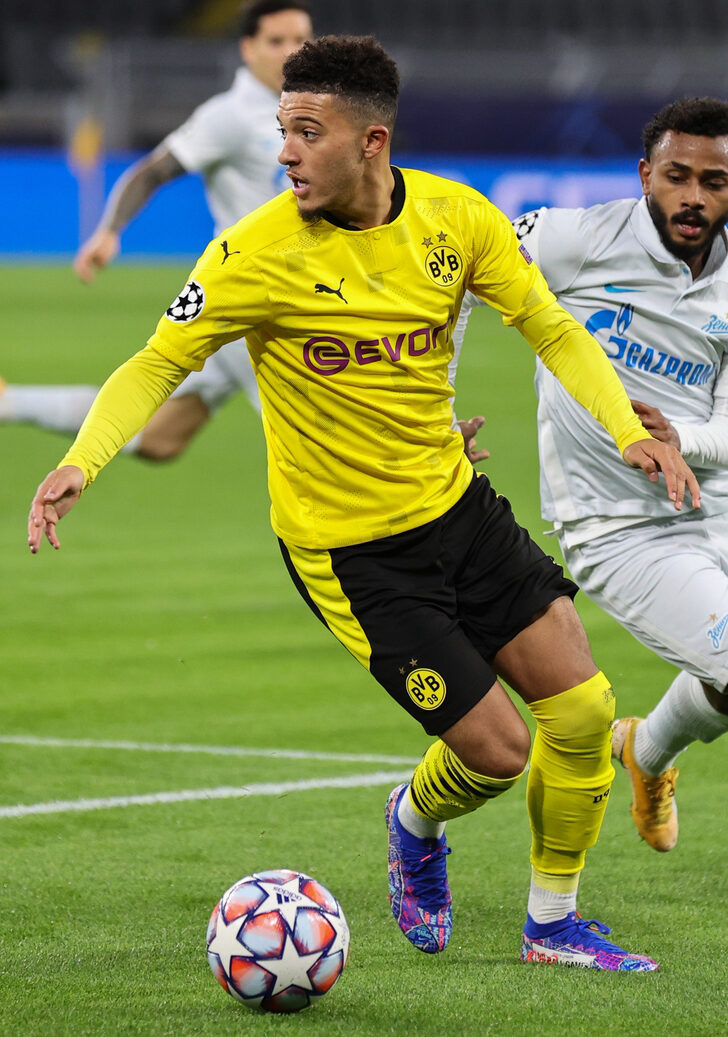
Transfers are judged twice: the day the deal drops and the moment the football actually changes on the pitch. In both senses, Jadon Sancho’s loan to Aston Villa and Gianluigi Donnarumma’s switch to Manchester City already look shrewd. Early signs point to cleaner patterns, better outputs, and, crucially, solutions to problems these sides wrestled with last season. Here’s what we’re seeing and why it matters now, not six months down the line.
The Moves at a Glance: Terms, Timing, and Context
Both clubs moved decisively to address specific needs rather than chase headlines. Villa’s loan for Sancho, structured with performance incentives and a sensible option mechanism, arrived in time to give Unai Emery another ball-secure wide creator for the congested autumn schedule. The timing matters: Villa were excellent off the ball last season but ran into low-block headaches in certain phases and needed more repeatable chance creation from the wings without sacrificing pressing triggers.
City’s acquisition of Donnarumma aligns with Pep Guardiola’s iterative tweaks at the back. As opponents increasingly pin City’s pivot and press the goalkeeper, City required a taller, more dominant presence who can still play under pressure. Donnarumma’s profile, elite reach, strong starting positions, and improved distribution, offers Guardiola new margins in both penalty-box control and first-phase resistance. In short, these were needs-first moves with immediate tactical upside.
Sancho at Aston Villa: Early Returns
Output and End Product
We’re already seeing the version of Jadon Sancho that thrives when the task is clear: receive between the lines, isolate fullbacks, and make the last touch count. The end product isn’t just the final pass: it’s the tempo he injects before the final action. Early matches show a notable bump in progressive carries into the box, a couple of cutbacks that should’ve been converted, and a willingness to shoot across the keeper when defenders sit off. The non-penalty xG+xA per 90 trend is ticking up compared to his most recent league baseline, driven less by volume crossing and more by high-value passes from the half-space.
Sancho’s shot selection looks cleaner, fewer low-percentage efforts from wide angles, more patience to recycle and re-attack. And when Villa tilt the pitch, he’s often the player who turns sterile possession into a shot within two passes. That’s the payoff Villa needed: not just highlights, but repeatability.
Fit in Emery’s System
Emery’s structure suits Sancho because it narrows the choices. In-possession, Villa create a stable 2-3-5 with the far-side winger pinning the back line. Sancho can receive to feet as the inside-left or outside-right depending on the matchup, with a fullback supporting underneath. The triggers are familiar: third-man runs off Watkins, quick wall passes with McGinn or Tielemans, and an aggressive underlap to unbalance low blocks.
What’s different here is Sancho’s pressing responsibility. Emery’s wingers defend inside-out, screening passes into midfield before squeezing to the touchline. Sancho’s body orientation has been sharp: he’s funneling play as instructed and jumping lanes when the cue is on. That means more recoveries in advanced zones and more short-field chances, the exact environment where his decision-making shines.
Teammate Synergies and Chance Creation
We can already circle a few partnerships. With Ollie Watkins, there’s a simple but devastating exchange: Sancho receives in the half-space, disguises the angle, and slides an early reverse pass when center-backs step. Watkins’ curved runs open the cutback lane, and Sancho’s weight of pass has been on point.
On the right, Matty Cash’s underlaps free Sancho to stay wide until the last second, dragging fullbacks into no-man’s land. And with Douglas Luiz or Kamara anchoring, Sancho can safely roll his man knowing the counter-press is set. The net result is more touches for Sancho in zone 14 and more shots from the penalty spot area for Villa. It’s not flashy for ninety minutes, but the cumulative threat is obvious.
Donnarumma at Manchester City: Early Returns
Sweeper-Keeper Demands and Build-Up Play
City don’t just need a goalkeeper who can pass, they need one who shapes presses with his positioning. Donnarumma’s starting spots are noticeably higher, allowing him to sweep long balls early and turn 50/50s into controlled restarts. In build-up, he’s not Ederson-lite: he’s Donnarumma: calmer, a touch more pragmatic, and selective with risk. We’re seeing quick, flat clips into the fullback channel and firmer passes into the six when the lane opens. When pressed, the lofted diagonal to the weak-side winger resets the entire possession without surrendering territory.
Because rivals respect his reach on balls over the top, City’s back line can hold a more aggressive height. That compresses the middle third and makes counter-press wins more frequent. The small outcome: fewer chaotic transitions. The big outcome: more possessions starting in the opponent’s half.
Shot-Stopping, Goals Prevented, and Post-Shot xG
The early tape looks like what the numbers have long said: Donnarumma’s shot-stopping overperforms expectation, particularly on low shots across his body. While sample sizes are still small, the goals prevented picture, measured against post-shot xG, is positive. He gets big quickly, and his hands are strong: parries tend to go wide rather than central. That trims the second-chance opportunities that can rattle even dominant teams.
Crucially, set feet before dive. It’s a boring goalkeeping detail, but we see it in one-v-ones: he delays, makes the forward decide first, then spreads. That discipline reduces the need for last-ditch blocks from the center-backs and keeps City’s defensive line composed.
Set-Piece Presence and Aerial Control
City have been good defensively for years, but they’ve not always bullied the box on set plays. Donnarumma changes the geometry. Opponents now hesitate to crowd the six-yard area because he claims aggressively and through traffic. That shifts delivery profiles, more outswingers, less near-post chaos, and removes cheap xG against. On attacking set pieces, his distribution after claims is quick and flat, igniting counters before defenses can reset. It’s a small edge that adds up across a season.
Tactical Ripple Effects for Villa and City
How Sancho Changes Villa’s Attacking Patterns
Sancho’s presence tilts Villa’s possession from outside-in to inside-out. Instead of early crosses, we’re seeing more wall-pass combinations toward the penalty spot and delayed overlaps that pull markers two ways. Villa’s rest defense benefits as well: when Sancho recycles instead of forcing the dribble, the team remains connected, the counter-press is on, and the next wave hits with structure. It’s a subtle shift, but the expected goals per shot is creeping higher because the ball enters the box after disorganizing actions, not just hopeful service.
How Donnarumma Alters City’s Press Resistance
With Donnarumma, City can invite pressure with less fear. Fullbacks can step into midfield more often knowing the space behind is guarded by a keeper who will win most races to the ball. That, in turn, draws opponents up the pitch, creating longer passing lanes to City’s eights and wingers. The overall effect is familiar Guardiola: turn the press into an opportunity, not a threat. Donnarumma’s security on aerial balls also lets City defend corners with one extra outlet upfield, nudging their transition threat upward.
Off-Field and Financial Payoffs
Loan/Transfer Structure and Wage Efficiency
From a squad-building lens, both deals look efficient. Villa’s loan structure for Sancho aligns cost with contribution: performance thresholds unlock options, and the wage share reflects the role he’s expected to play. That’s smart cap management, keeping powder dry for other needs. City’s investment in a prime-age, top-tier goalkeeper consolidates value in a position that often outlasts outfield cycles. Over multiple seasons, stability in goal is a hidden saving, you don’t churn fees chasing incremental upgrades.
Squad Morale, Leadership, and Dressing Room Dynamics
There’s a human layer too. Sancho walks into a dressing room with clear roles and a manager who communicates granular tasks. That breeds confidence quickly. His teammates know what he’ll do on the ball, so runs are made with conviction. For City, Donnarumma’s presence projects calm: defenders play a percent braver when they trust the last line. Leadership isn’t only speeches, it’s body language after a shaky five minutes. He exudes the sort of steadiness that keeps standards high without drama.
Injury Risk, Rotation, and Depth Management
Depth wins seasons. Sancho adds rotation elasticity for Villa across both flanks and as a roaming ten when the game state demands it. That reduces minutes spikes for the wide unit and lowers soft-tissue risk across the front line. City, meanwhile, avoid the fragile scenario where one injury in goal forces schematic compromise. Donnarumma’s durability allows City to keep their defensive principles intact regardless of fixture congestion.
Metrics and Milestones to Track Next
Upcoming Litmus-Test Fixtures
We’ll learn more against opponents who compress space and punish mistakes. For Villa, trips where the host sits deep and counterpunches will stress-test Sancho’s ability to move low blocks side-to-side for 70 minutes. For City, top-six clashes where the press comes in organized waves will reveal how far Donnarumma can stretch the build-up without inviting turnovers.
Targets for the Next Six Weeks
Reasonable short-term targets? For Sancho: maintain a steady stream of shot-creating actions, bump progressive carries into the box, and keep turnovers low in the middle third. For Donnarumma: sustain a positive goals-prevented trend versus post-shot xG, limit rebound shots allowed, and continue to raise City’s aerial win rate on defensive set plays. If those boxes stay ticked, the macro outcomes, points and control, follow.
Conclusion
Transfers don’t have to reinvent a team to be transformational. Sancho gives Villa repeatable creativity without dulling Emery’s structure. Donnarumma hands City fresh margins in the two places elite matches are decided: the first pass and the last save. It’s early, yes, but the on-pitch evidence already mirrors the intent behind the deals. If this trajectory holds, we’ll look back at both moves as rare pieces of business that made immediate football sense, and kept making it week after week.
No responses yet