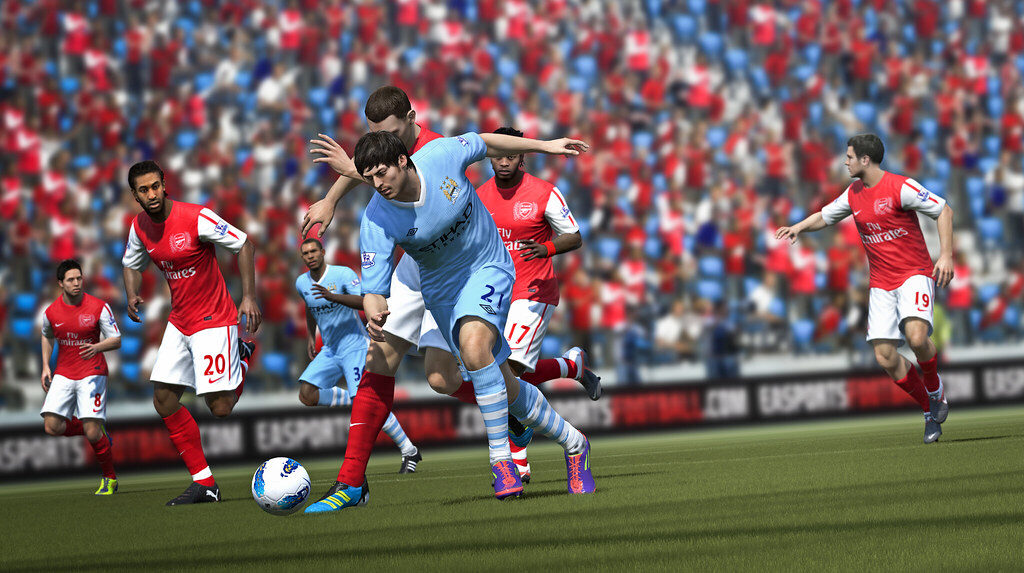
That felt brutal. Not just because the scoreline was heavy, but because Man City’s 3-0 mauling of Liverpool looked methodical, like a champion team calmly dismantling a structure we used to trust. We’ve seen Klopp’s sides rocked before and bounce back. This time, the problems were structural as much as individual. The gap isn’t just about resources or a hot finishing day: it’s about how City tilted the board and how our defensive mechanics, line height, spacing, and the midfield screen, crumbled under pressure. Let’s unpack where it went wrong and what needs fixing before the season slides away from us.
Match Snapshot: A Scoreline That Reflected The Patterns
Key Moments And Timeline
City set the tone early. They didn’t sprint out of the blocks as much as they suffocated us with control, pinning us into mid-block limbo. The opener came from a familiar sequence: a half-space overload, a third-man run beyond our back line, and a finish across goal. From there, we chased. The second arrived off a weak-side switch where our fullback was stranded 2v1: the recovery run never came, the cutback did. The third was the product of our own impatience, forced play into pressure, City pounced, and the transition exposed our spacing.
We’ve lived this script in tough away fixtures: concede the first while stretched, over-commit searching for parity, and cede the middle in transition. The rhythm never swung back because City kept us where they wanted, too high to be compact, too deep to threaten their box.
Underlying Numbers: xG, Shots, And Territory
The data matched the eye test. By most reputable models, City’s xG edge was clear, roughly in the two-plus range versus our sub-one total, with a heavier concentration of shots from the penalty spot line and the cutback channel. Territory was lopsided too: City’s touches in our defensive third stacked up, while our final-third entries were sporadic and mostly wide. We took efforts from poor angles: they worked the red zones relentlessly. When the shot map shows clusters in your six-yard box and yours shows hopeful arrows from 18–22 yards, the 3-0 feels logical, not flattering.
How Guardiola Tilted The Field
Overloads Between The Lines And Third-Man Runs
City didn’t just occupy the half-spaces, they weaponized them. The interior eight pulled our nearest midfielder, the center-forward dropped to fix a center-back, and the winger tucked inside. Then the third man ran off the shoulder into the gap our line left when it stepped. We were forever one rotation behind. Even when we delayed the entry pass, the return ball found the free runner because our cover shadows weren’t angled to block the bounce.
Wide Rotations To Isolate Liverpool’s Fullbacks
On the flanks, Guardiola’s wide rotation, a fullback underlapping into midfield, the winger holding chalk, the eight drifting diagonally, created 2v1s that marooned our fullbacks. If our winger tracked inside, the switch went out: if he held width, the underlap cut through the channel. City repeatedly hit the far-post zone, exploiting our weak-side compactness. It was patient cruelty: move, probe, freeze a defender, then find the spare man.
Press-Resistance In The First Phase
We tried to jump the first pass. City invited it and passed around it. Their keeper and center-backs formed a triangle that baited our first line into over-committing. Once our press tilted, the pivot showed, bounced it wide, and we were chasing. The tempo changes were key, slow to draw us in, then fast through the gap. When a team is this confident playing out, pressing in singles or late pairs is just fuel for their progression.
Where Klopp’s Back Line Fell Apart
Line Height, Spacing, And Broken Offside Traps
We’ve thrived living on a high line. The line isn’t the problem: the distances are. Our center-backs didn’t step in sync with the fullbacks, leaving staggered lanes that made the offside trap unreliable. City’s third-man runs feasted on that half-second desynchronization. When one center-back stepped to the dropping nine, the partner didn’t squeeze, and the fullback was stuck checking two men. That’s how a high line turns from weapon to liability.
Weak-Side Switches And Fullback Exposure
City’s second and third-phase switches punished the far side. Our weak-side winger often tucked in to protect the half-space, but the distance to the far fullback was enormous. That fullback then had to defend both the switch and the inside run. On film, you can freeze frames where our back four looks like a back two-and-a-half, two center-backs narrow, a near fullback pinned, and the far fullback straining to see both ball and man.
Center-Back Decision-Making And Cover Shadows
Decision-making under Guardiola’s rotations is brutally hard, but we made it harder. We stepped out on triggers without shaping our bodies to screen the return lane. Several times, a center-back followed the dropping forward straight, rather than diagonally closing while cutting the inside lane. That turned a duel into a wall pass. Meanwhile, our six didn’t always sit on the angle to block that same bounce, creating double-jeopardy.
Goalkeeper Positioning And Communication
Sweeper-keepers need to command the space behind a high line. Our keeper’s starting positions were conservative early and then over-aggressive late. Twice we saw hesitation on through balls that should’ve been claimed: later, a sprint-and-stop allowed cutbacks to develop. The bigger worry is the communication: when the line stepped, there wasn’t a loud, consistent call corralling distances. Without that voice, each defender guessed, and City exploited the half-beats between those guesses.
The Midfield Screen That Wasn’t
Press Triggers Arriving Late And Uncoordinated
Our press used to feel like a trapdoor. Here it felt like a beaded curtain, easy to brush aside. Triggers came late: a loose touch wasn’t jumped, a square pass didn’t spark the squeeze. We stepped as individuals rather than a unit, so City’s next pass kept finding oxygen. When your second line doesn’t arrive on the half-turn, the opposition eight can receive, pivot, and face you, game over.
Counter-Press Drop-Off After Turnovers
The five-second rule, the old Liverpool calling card, wasn’t there. After our own giveaways, the nearest three didn’t lock the ball-side lane or block the pivot. City escaped the first duel and immediately had a 4v3 sprinting at our backpedaling line. That’s not just legs: it’s spacing. Our rest defense (the two or three stationed to kill transitions) was too wide, leaving a highway through the middle.
Failure To Track Runners From Deep
City’s back-post and late-box arrivals came from deep starting positions. Our eights were attracted to the ball, turning heads rather than picking up shoulders. When you defend the box against City, you count men, not blades of grass. We didn’t. The result was free runners meeting cutbacks from 10–12 yards, which is exactly where xG spikes.
Personnel, Fatigue, And Injuries—Excuse Or Explanation?
Individual Form, Pace Profiles, And Matchups
We can talk shape all day, but matchups matter. City stacked pace against our slower side and put their best one-v-one dribbler on the fullback carrying a knock. A center-back returning from a layoff looked a step off, especially on long diagonals. Individual form ebbs and flows, yet when three or four pieces are even slightly off, City’s margins turn those into goals.
Bench Options And In-Game Adjustments
Klopp tried to inject legs, but the trade-offs hurt spacing. A more attacking winger gave us direct threat, yet tracking intensity dipped. A late double-pivot steadied possession, but by then City were happy to sit and spring. We didn’t find the sub that both stabilized rest defense and preserved threat between the lines. When the opponent can swap like-for-like quality while maintaining structure, you’re chasing solutions, not dictating them.
Fixing The Structure Before The Season Slips
Tweaks To Rest Defense And Width Control
We don’t need a philosophical reboot, we need specific screws tightened. First, rest defense: when we attack, our far-side eight has to tuck earlier, and one fullback must sit in a narrow position rather than both bombing on. That keeps a plus-one behind the ball and protects the central lane. Second, width control: the weak-side winger must default five yards deeper and inside when the ball is on the opposite flank. It’s unglamorous, but it kills those far-post switches.
Adjusting Press Heights, Trap Zones, And Build-Out
Against elite press-resistance, pressing higher isn’t always the answer: pressing smarter is. Let’s stagger the first line and show City into a touchline trap, then jump with three, wide forward, eight, and fullback, while the six screens the return. If they escape, we drop into a mid-block for ten-minute spells to deny rhythm. With the ball, we can build with a situational back three: the six dropping between center-backs or the near fullback tucking inside. That gives us better connections to beat the first press and reduces those cheap turnovers that feed transitions.
Selection And Role Adjustments For Balance
Personnel can serve the structure. Pair a pacing center-back with the higher starting position to protect the long ball. Start the more defensively reliable winger on the side City tend to overload, even if it costs a bit going forward. Consider a double-pivot in phases against opponents who stack the half-spaces, one screens, one hunts. And let’s empower the keeper to be aggressive early: higher starting spots, clearer claims, louder organizing. Command trims 10% of the danger before it starts.
Conclusion
Man City’s 3-0 mauling of Liverpool wasn’t a freak storm: it was a tactical audit we failed. Guardiola tilted the field with layered rotations and press-resistance. We helped by losing our spacing, our offside rhythm, and, crucially, our midfield screen. The gap looks wider when the details slip. The fix is doable: tighten rest defense, coordinate the press in clear trap zones, and pick lineups for balance first, flair second. If we reestablish that defensive scaffold, the rest of our game, transitions, energy, chaos, returns. And then the next time we see City, it’s a contest, not a procession.
No responses yet